


Introducing...

Neil_Heslop

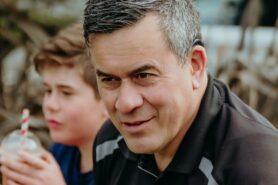
Neil Heslop
Audiologist/Manager.

Neil has been with the programme since its inception in 2003...Read more

The Southern Hearing Charitable Trust and the Southern Cochlear Implant Programme would like to wish everyone a safe and happy Christmas and New Year.

Introduction

Established in 2003, the Southern Cochlear Implant Programme grew from a direct need for local support for South Island cochlear implant patients and their families. Centrally located in Christchurch, New Zealand, the SCIP team comprises a range of specialists who are dedicated to the identification and rehabilitation of children and adults with moderate to profound sensorineural hearing loss who derive minimal benefit from conventional hearing aids.

The SCIP Programme has brought together a team comprising a specialist surgeon, audiologists, and paediatric and adult habilitationists. With the assistance of a programme administrator to coordinate appointments, travel and accommodation, every person who is referred will be welcomed onto the Programme and have their needs assessed on an individual basis in a timely manner, in accordance with the SCIP Protocols.

Southern Cochlear Implant Programme’s Mission

To assist people who are deaf or hearing impaired to access and use spoken communication.

Southern Cochlear Implant Programme’s Goals

  1. Ensure that all potential cochlear implant recipients and their families know about the programme and how to access it.
  2. Ensure that families’ needs are met at all stages of the implant process.
  3. Respond quickly and appropriately with comprehensive literature, information and advice to all enquiries.
  4. Ensure that all professional colleagues are and continue to be fully informed.
  5. Develop local support programmes and outreach programmes to ensure continued, optimised progress with the cochlear implant.
  6. Ensure that specialised evaluation is well planned, comprehensive and carried out in a timely manner.
  7. Develop, maintain and implement protocols to:
    • ensure appropriateness for implantation
    • determine relative priority for implantation
    • review client satisfaction
    • measure client achievement
  8. Develop protocols to ensure hospital admissions are planned and prepared for and that the best possible surgical results are achieved with the least possible disruption and distress.
  9. Share post-operative care with regular providers.
  10. Ensure that early MAPping and training is carried out in the most effective manner and environment possible and as often as needed.
  11. Ensure that subsequent MAPping and other habilitation is provided effectively and as frequently as necessary with as little disruption as possible to the client and family.
  12. Develop a comprehensive and widely distributed network to provide both professional and social support and an after-hours emergency service.

What Your Support Can Do.

The cost of a Cochlear implant and associated post-operative treatment, for the first year, is up to $50,000 per candidate.  Since the cost of schooling at a full time specialist education service for children can total $200,000...

Read more...